Introduction
When it comes to establishing a physical presence for your business, the materials you choose can significantly influence not just aesthetics but also functionality and durability. The right choice between stone and brick can enhance your building’s appeal, increase its lifespan, and even affect operational costs. But what exactly should you consider when selecting these materials? Let’s dive into The Science Behind Choosing the Right Stone or Brick for Your Business, exploring various facets like durability, aesthetics, cost-effectiveness, and environmental impact.
The Science Behind Choosing the Right Stone or Brick for Your Business
Understanding Masonry: An Overview
Masonry is more than just stacking bricks or stones. It involves using different techniques to bind materials together to create robust structures. A masonry contractor plays a crucial role in this process, ensuring that the selected materials are suitable for the intended design and function of the building.
Types of Masonry Materials
1. Brick
Bricks are man-made blocks usually composed of clay or concrete. They have been a staple in construction due to their versatility and strength.
2. Natural Stone
Natural stone includes materials such as granite, limestone, and sandstone. These stones are quarried directly from nature and offer unique characteristics based on their origin.
Durability: Longevity Matters
One of the primary concerns when choosing between stone and brick is durability. Here’s how they stack up:
- Brick: Typically lasts 100-200 years with proper maintenance. Stone: Can last centuries if not millennia under optimal conditions.
Aesthetic Considerations: Creating Visual Appeal
Choosing between brick and stone also involves aesthetic decisions:
- Brick: Offers a more uniform look with various colors available. Stone: Provides a unique natural appearance that varies from piece to piece.
Cost Implications: Budgeting for Quality
Initial Costs vs. Long-term Investment
When budgeting for your construction project, consider both initial costs and long-term benefits:
Stafford masonry solutions| Material | Initial Cost | Lifespan | Maintenance Costs | |----------|--------------|----------|-------------------| | Brick | Moderate | 100-200 years | Low | | Stone | High | 200+ years | Moderate |
Environmental Impact: Sustainable Choices
With growing awareness around sustainability, it’s essential to assess the environmental implications of your material choices:
- Brick: Often produced in factories, which may result in higher emissions. Stone: Generally requires less energy to extract since it’s sourced from quarries.
Climate Considerations: Adapting to Your Environment
Different climates can significantly affect the performance of masonry materials:
- Cold Climates: Insulating properties become crucial; bricks may perform better. Hot Climates: Stones may help keep buildings cooler by retaining less heat.
Selecting the Right Masonry Contractor
Choosing a reputable masonry contractor is critical in ensuring that your selected stone or brick is installed correctly.
What to Look For in a Masonry Contractor?
Experience: Check their portfolio for previous projects similar to yours. Credentials: Ensure they have proper licensing and insurance. Reviews: Read client testimonials to gauge satisfaction levels.The Role of Building Codes in Material Selection
Building codes play an essential role in determining which materials are suitable for use based on safety regulations and local climate conditions. Understanding these codes will aid you significantly during your selection process.
Common Regulations Regarding Masonry Materials
Each region has specific codes regarding fire resistance, insulation values, and structural integrity that must be adhered to when using stone or brick in construction projects.
Maintenance Needs: Keeping Your Structure Intact
Once your business premises are built, ongoing maintenance becomes vital to ensure longevity:
Masonry ContractorMaintenance Tips for Bricks
Regular cleaning with water. Inspect mortar joints periodically for wear or damage. Sealants may be necessary every few years.Maintenance Tips for Stones
Clean with mild detergents; avoid acidic cleaners as they can erode surfaces. Inspect regularly for cracks or dislodged pieces. Repointing may be necessary if joints become loose over time.Energy Efficiency: Green Building Practices
Energy efficiency is another significant factor affecting building costs over time:
- Brick buildings often have higher thermal mass than stone, leading them to retain heat more effectively during colder months. Natural stone's insulating properties can vary widely; thus careful selection is necessary based on local climate conditions.
Fire Resistance: Safety First
Both brick and stone offer varying degrees of fire resistance but differ widely among types:
Fire Ratings Explained
Bricks generally boast high fire ratings (upwards of four hours), while natural stones like granite also provide substantial fire resistance but can vary by type:
| Material Type | Fire Rating | |----------------|-------------| | Clay Brick | 4 hours | | Granite | High |
Acoustic Performance: Noise Control
When constructing commercial spaces like offices or restaurants, acoustic performance becomes essential:
- Bricks generally provide superior sound insulation compared to most stones due to their density.
Frequently Asked Questions (FAQs)
What factors should I prioritize when selecting masonry materials?
When choosing masonry materials like brick or stone, consider durability, aesthetics, cost-effectiveness, maintenance needs, climate compatibility, and environmental impact.
How does climate affect my choice between brick and stone?
In colder climates where insulation is key, bricks might be more favorable due to their thermal mass properties; whereas stones could help maintain cooler spaces in hotter locales.
Is there any difference in installation time between brick and stone?
Yes! Generally speaking, bricks can be quicker to install due to their uniform size; however complex patterns with stones may require longer installation times by skilled contractors.
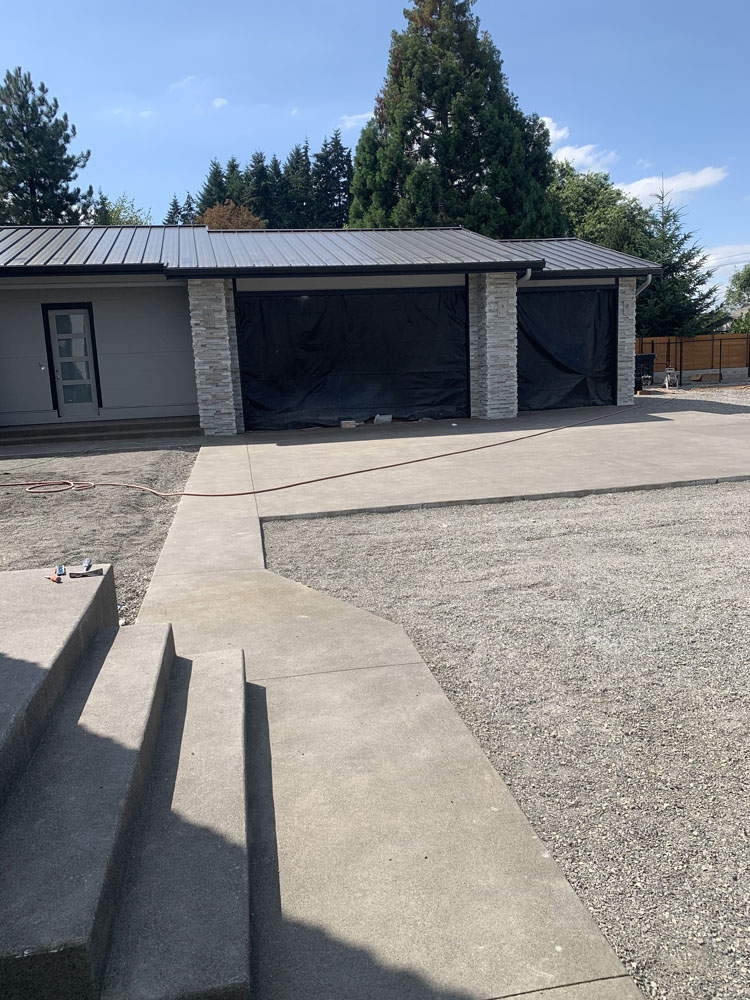
Can I use both brick and stone together?
Indeed! Combining both materials can create visually appealing structures while leveraging each material's strengths depending on location within the building design.
How often do I need to maintain my masonry structure?
Maintenance frequency depends on material type; bricks typically require less frequent inspection than natural stones but still necessitate regular upkeep every few years.
What role does a masonry contractor play in this process?
A qualified masonry contractor ensures proper installation according to best practices while providing guidance on material selection based on project requirements and local codes.
Conclusion
Choosing the right stone or brick for your business involves delving deep into factors such as durability, aesthetics, cost implications, environmental considerations, maintenance needs along with understanding local building codes—all while working closely with an experienced masonry contractor who can guide you through this intricate process effectively!
Understanding The Science Behind Choosing the Right Stone or Brick for Your Business ultimately allows you not only make informed decisions but also pave the way towards creating lasting impressions through quality craftsmanship that stands tall against time!